Limon Mint: A Breath of Fresh Air for Modern Design
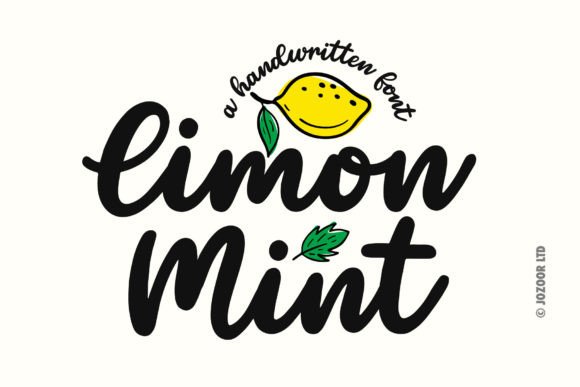
There’s a particular challenge in finding a typeface that feels both personal and polished. You need something with enough character to stand out, yet balanced enough to work across a dozen different projects without causing a headache. Enter Limon Mint, a handwritten script font that manages this balancing act with remarkable grace. It’s not just another decorative font; it’s a versatile tool built for creators who value both style and substance. Think of it as the font equivalent of a perfectly tailored blazer—it looks effortlessly put-together and works for almost any occasion.
The Anatomy of a Versatile Script
At its core, Limon Mint is a modern typography solution defined by its flowing, organic letterforms. The characters are crafted with a keen eye for balance, avoiding the overly swashed or illegible tendencies that plague many script fonts. Each letter connects to the next in a natural, handwritten rhythm, creating a sense of movement and warmth. The overall personality is fresh, stylish, and approachable—it whispers creativity rather than shouting it. This makes it a premium font that feels accessible, a rare combination in the world of display fonts.
What truly sets it apart is its adaptability. Unlike many handwritten fonts that are locked into a single aesthetic, Limon Mint has a chameleon-like quality. Paired with a clean sans serif font, it can feel contemporary and energetic. Set alongside a classic serif font, it introduces a touch of human warmth to traditional layouts. This flexibility is its greatest strength, allowing it to serve as a cornerstone of a diverse font pairing strategy.
Where Limon Mint Truly Shines: Real-World Applications
Theory is one thing, but practical application is where a font proves its worth. Limon Mint’s well-balanced design makes it a natural fit for a wide array of projects, particularly where personality and clarity need to coexist.
Branding & Identity: For small businesses, startups, and personal brands, logo design is the first test. Limon Mint excels here, lending an authentic, crafted feel to logos, especially for boutiques, cafés, wellness brands, and creative services. It helps build a brand identity that feels human and relatable. Use it for your primary wordmark or as a supporting script in your brand guidelines to add a signature touch to business cards, stationery, and packaging.
Digital & Marketing: In the fast-paced world of web design and social media graphics, grabbing attention is key. Limon Mint is a fantastic choice for headlines, pull quotes, and call-to-action buttons where you need to inject personality. Its flowing style can break up the monotony of body text in editorial design for blogs or digital magazines, guiding the reader’s eye and adding visual interest. For entrepreneurs creating ads or email headers, it provides a professional yet friendly voice.
Publishing & Packaging: The font’s clarity at smaller sizes makes it surprisingly useful in publishing. Think chapter titles, section headers, or stylized quotes in books and journals. In packaging design, it’s a standout. Imagine it on a artisanal food label, a candle box, or a cosmetics bag—it instantly communicates care and quality. It’s a creative font that elevates product presentation without sacrificing legibility.
Personal & Craft Projects: Beyond commercial use, Limon Mint is a joy for hobbyists and crafters. Its included free doodles clipart is a thoughtful bonus, perfect for creating cohesive designs for invitations, greeting cards, scrapbooking, or personalized gifts. The font and its accompanying assets work together to simplify the creative process.
Making Limon Mint Work for You: A Practical Guide
Adopting any new design asset requires a bit of strategy. Here’s how to integrate Limon Mint effectively into your workflow and ensure it delivers real value.
Evaluate the Project Fit: Before you commit, consider the project’s tone. Limon Mint is ideal for themes that are organic, welcoming, creative, or elegant. It might not be the best choice for highly technical, corporate, or formal contexts where a rigid sans serif or serif font is expected. Always test it in context—mock up a headline on your website or place it on a sample product photo to see if the personality aligns with your message.
Master the Font Pairing: This is where you unlock its full potential. For body text, always pair Limon Mint with a highly legible sans serif font like Open Sans, Lato, or Montserrat. The contrast between the expressive script and the neutral utility font creates a clean, professional visual hierarchy. Avoid pairing it with other ornate or overly decorative fonts, which can create visual chaos.
Consider Readability & Hierarchy: As a script font, Limon Mint is best used sparingly for impact. Use it for headlines, subheadings, logos, and short phrases. Reserve longer paragraphs and small text for your chosen body font. This practice ensures your designs are not only beautiful but also accessible and easy to read, which is crucial for audience engagement.
Understand the Licensing: Limon Mint is a commercial font, meaning it’s licensed for professional and personal projects. Always review the specific license terms provided with your purchase to understand usage rights for logos, merchandise, and digital products. Using a properly licensed font is a cornerstone of professional design practice, protecting both you and your clients.
Leverage the Extras: Don’t overlook the included doodles clipart. These assets can be used to create borders, icons, or decorative elements that perfectly match the font’s style, saving you time and ensuring design consistency. They’re particularly useful for social media templates, packaging details, and stationery sets.
Ultimately, Limon Mint is more than just a pretty typeface. It’s a strategic tool for adding a signature touch of modern elegance to your work. By understanding its strengths and applying it thoughtfully, you can enhance your brand perception, create more engaging visuals, and bring a cohesive, polished feel to everything you design. It’s the kind of asset that, once you start using it, you’ll wonder how you ever managed without it.